
meet the team
a few words about us and Culion Island
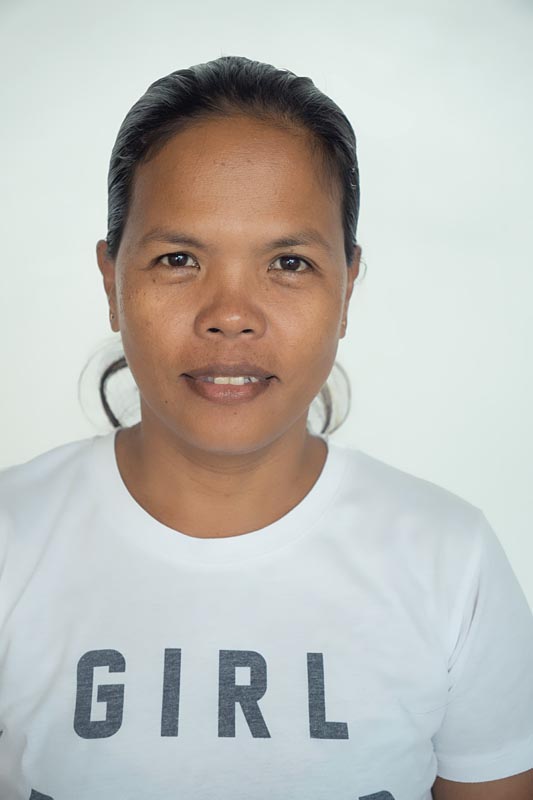
Janette Lavers
Janette is the heart and sole of the Casa Osmena guest house and owner of Nudibranch Divers. A natural host, Janette’s warm welcome sets everyone at ease. Her broad local knowledge and contacts ensure that all island tours can be seamlessly arranged. Janette is also an excellent cook and provides guests with generous, fresh and authentic home cooked Filipino food.
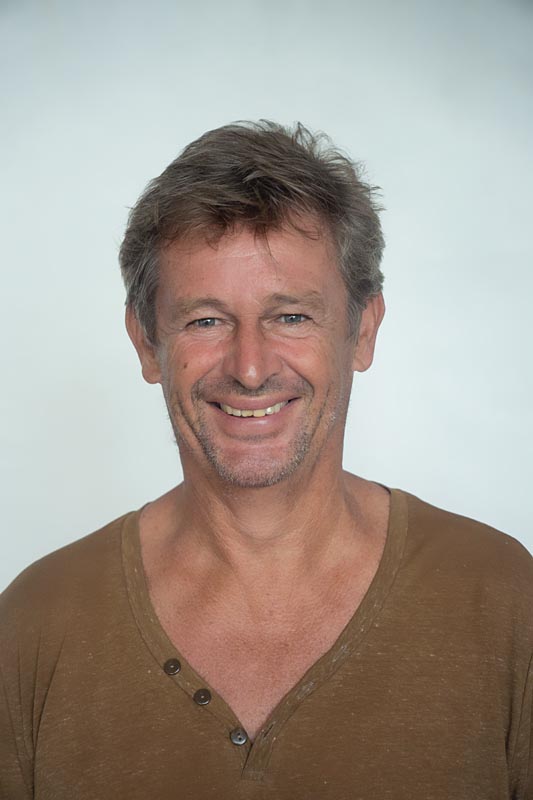
Simon Lavers
Simon is a PADI Divemaster, he has been diving since 1998 and has an obsessive passion for Nudibranchs. Usually the guide for certified divers, Simon has a good knowledge of the local dive spots and is always happy to get underwater and explore new reefs.

Gerd Schaltz
Gerd is a local legend and as a pioneering diver of the Coron wreck diving community he probably knows the dive profiles better than most. Gerd is a PADI Certified Dive Instructor and takes care of our students through Tune up dives, Discover Scuba and all PADI Certifications up to Divemaster.
Contact us :
about Culion
Often overshadowed by its famous neighbor Coron, Culion is a hidden gem in the Calamian archipelago of Palawan that offers a rare blend of poignant history and untouched tropical beauty. For those willing to venture slightly off the beaten path, it provides a travel experience that is as emotionally moving as it is visually stunning.
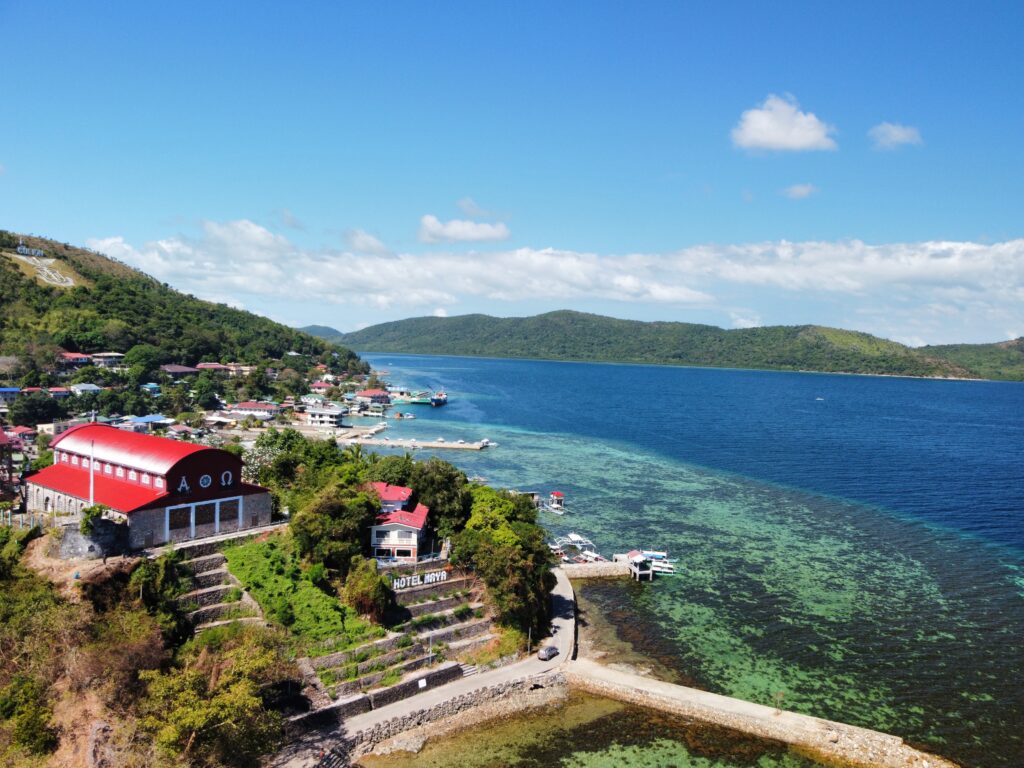
Culion – A Legacy of Resilience
Culion’s history is unique and deeply touching. For over a century, starting in 1906, the island served as the world’s largest leprosarium—an isolated colony for those afflicted with Hansen’s disease (leprosy). Once known as the “Island of No Return,” it was a place where thousands were separated from their families.
Today, that stigma has long vanished; the World Health Organization declared Culion leprosy-free in 2006. Visitors can explore the Culion Museum and Archives, which painstakingly preserves the stories, medical tools, and personal belongings of the former colony. Walking through the town feels like stepping into a living museum, with its century-old Spanish-era fort, the red-walled La Immaculada Concepcion Church, and grand colonial-style buildings that speak to the island’s transformation from a place of isolation to a community of hope.
Untouched Nature and Secret Shores
Because Culion remained closed to the world for so long, its natural environment is exceptionally well-preserved. The waters surrounding the island are a sanctuary for marine life:
Pristine Beaches: Remote stretches of sand like Araw Beach offer powdery white shores and turquoise waters without the crowds found in El Nido.
Vibrant Reefs: The Crowning Glory Reef is a protected marine area teeming with colorful corals and schools of fish, often visible just inches below the surface.
Shipwrecks: History extends beneath the waves as well, with several WWII Japanese shipwrecks nearby that serve as hauntingly beautiful dive sites.
Why Visit?
Culion remains rarely visited by the typical tourist crowds, largely due to its past and more limited infrastructure. However, this is precisely what makes it so rewarding. There are no bustling shopping malls or noisy bars; instead, you find quiet streets, genuine local smiles, and a sense of peace that is increasingly hard to find in more developed destinations.
For the traveler who seeks a deeper connection to a place—one that honors both the strength of the human spirit and the raw beauty of the “Last Frontier”—Culion is an essential stop in Palawan.