
culion
Culion is one of the four main islands of the Calamian group, in the far north of Palawan and next door to Coron. Green, quiet and largely untouched by mass tourism, it has stayed off most travellers’ maps, and many visitors only see it as a side trip from Coron.
the island’s story
In the early 1900s the American colonial government chose Culion as a place to isolate people with leprosy, and the first patients arrived in 1906. For most of the next century the island was a leprosarium, one of the largest in the world. It carried a heavy stigma and became known as the ‘Island of No Return’ and the ‘Island of the Living Dead’.
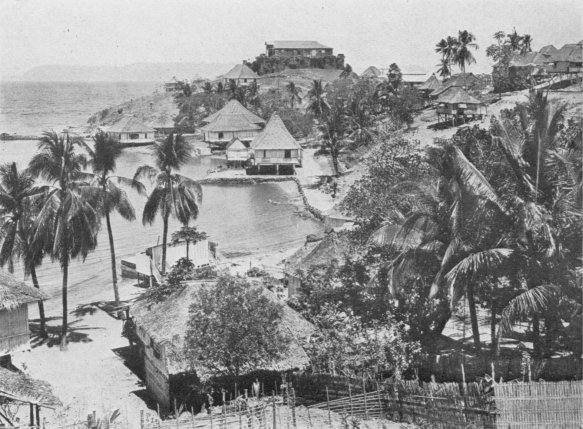
But life did not stop. Patients from all over the Philippines built a community together, and the colony left behind a well-planned town and a legacy of fine old buildings. Multi-drug therapy arrived in the 1980s, and in 2006 the World Health Organization declared the island leprosy-free.

Today many of Culion’s residents are descendants of former patients, and the island’s story has become a source of pride.
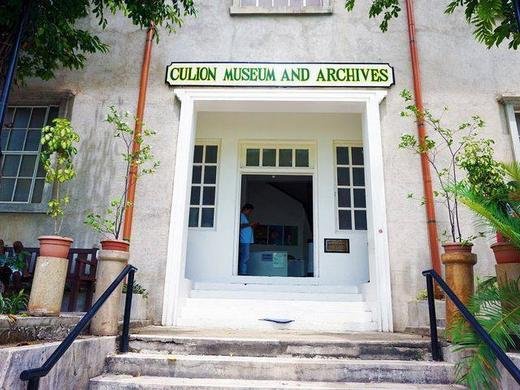
The Culion Museum tells it well, and its leprosy archives are listed on UNESCO’s Asia-Pacific Memory of the World register.
things to do
Explore the town
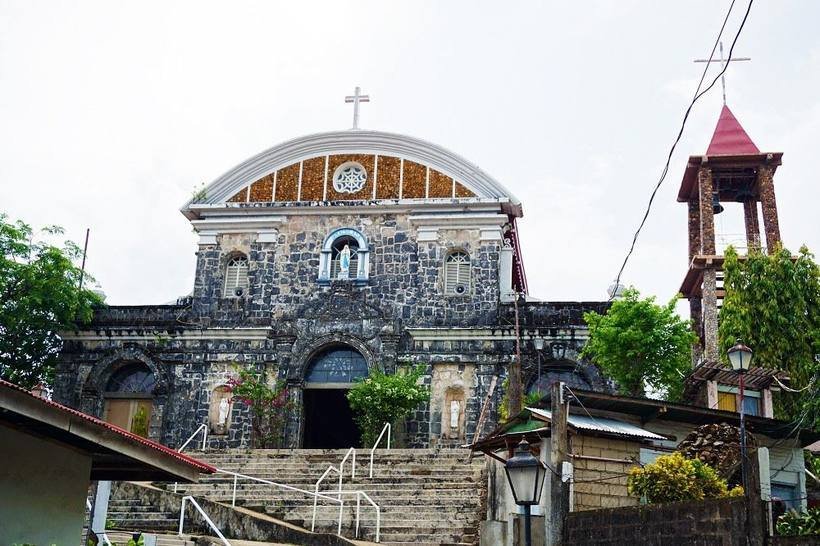
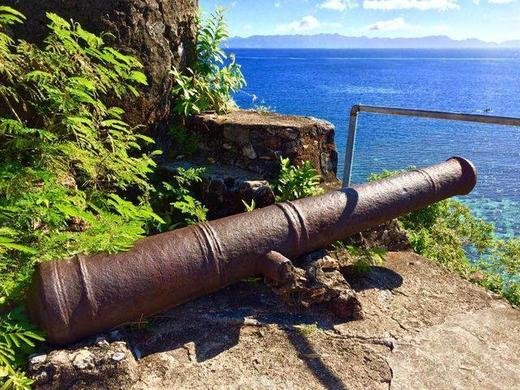
Take a leisurely walk around Culion town and its historic buildings, and visit the museum and archives. The Church of the Immaculate Conception was built on the foundations of a Spanish fort, and both were made from rock cut from the local coral reefs, so you can still see coral in the walls. One of the old fort’s cannons still sits beside the church, overlooking the sea. The other Spanish fort, in San Pedro, is now hidden by the jungle. It can be visited, though getting there is quite an adventure.
Go island hopping
Hire the MV Nudibranch and spend the day among Culion’s islands, mangrove forests, reefs, bays and beaches. Have lunch on a white sandy beach, go snorkelling, or visit the lakes and lagoons on Coron Island.
Ride round the island
Getting around Culion Island can be challenging, and is always an adventure. Most of the byways are tracks and pathways, so hire a motorbike or the jeep and discover rice fields, fishing villages and hidden beaches. We recommend taking a guide to show you the way and keep you safe.