
dive sites
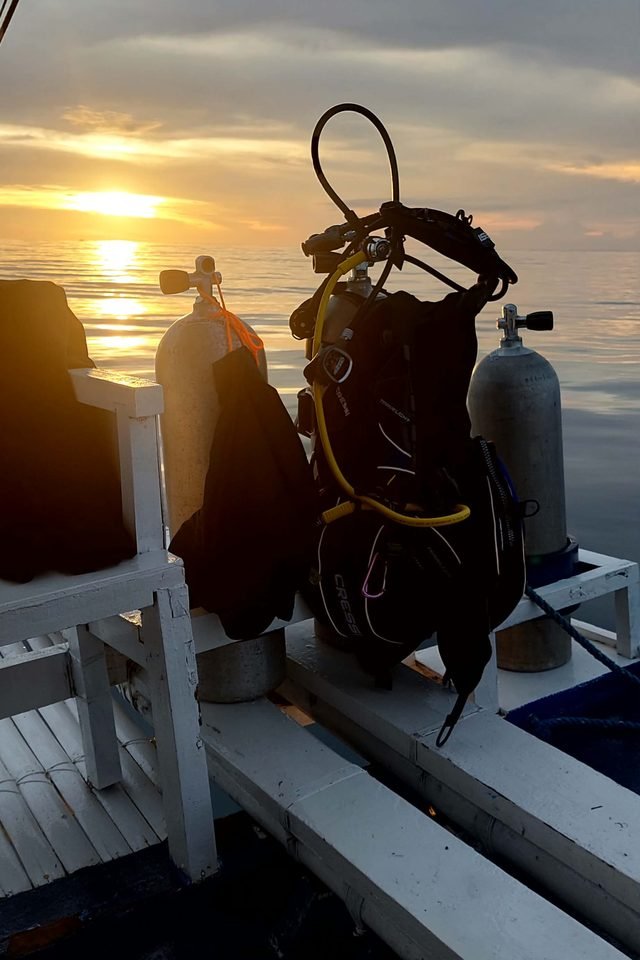
We don’t run a fixed dive schedule. Before you get in the water we sit down and talk: where you’d like to go, what you’re hoping to see, and how it fits your certification, experience and how many dives you want that day. Your day is planned around you, not the other way round.
Here’s what that can include.
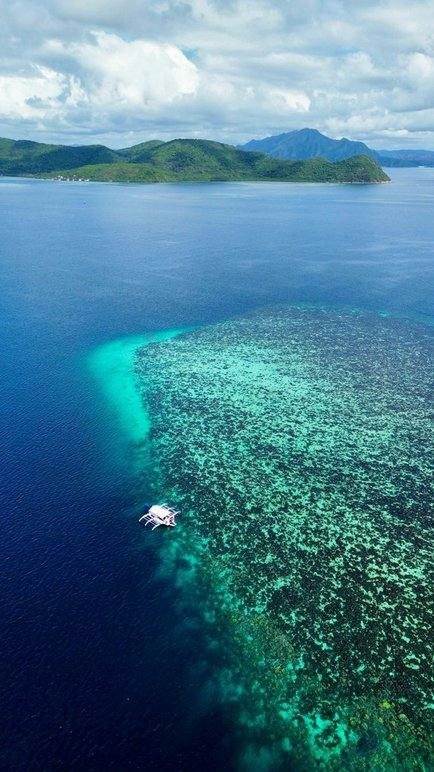
Bugor Island & Sunlight Channel
Our favourite local dive sites, close to home and always protected from rough seas. Around a 20-minute boat ride from the shop, they include shallow confined-water areas, gentle drift dives and spectacular, healthy reefs with beautiful hard and soft corals.
The small bay here is also home to the Baldat Marine Protected Area, an ongoing, community-led coastal conservation initiative in Barangay Baldat, Culion, working to build climate resilience and protect the area’s highly diverse marine ecosystems.
Incorporating the Crowning Glory Reef, the wonderful name for a pristine reef shielded from exploitation and destructive fishing practices, it stands as an exceptionally vibrant underwater paradise, celebrated for its dense, multi-coloured coral gardens and abundant tropical fish.
There have also been recent sightings of a dugong community in the area, very rare and still very shy. Nudibranch Divers works together with the local Dugong Task Force to understand their behaviour patterns and help ensure their protection.
Chindonan Island South & Middle Reef
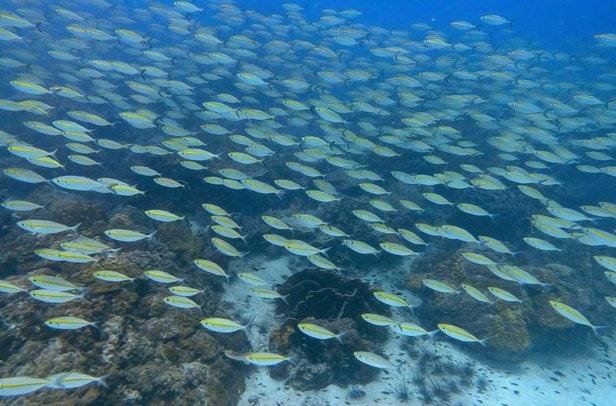
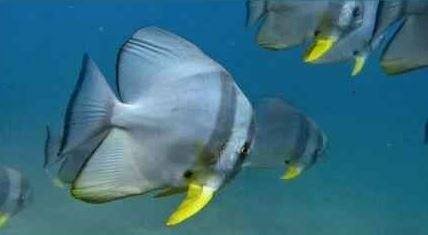
A little further afield and more exposed to the weather, we are still discovering great dives and enjoying spectacular sightings here. A little deeper but still within recreational dive depths, we have found beautiful swim-throughs and seascapes, blacktip sharks, eagle rays, turtles, Napoleon wrasse, bumphead parrotfish, batfish and big schools of blue fusiliers and yellow snappers.
Middle Reef, sometimes known as Lighthouse Reef, sits between Chindonan and Banuan Islands. It offers divers a variety of different dives, with a beautiful coral-covered shallow top, gradual sandy slopes, steeper drop-offs and deep dives. With the right conditions, it’s a beautiful spot to spend the day exploring what lies below.
the wrecks
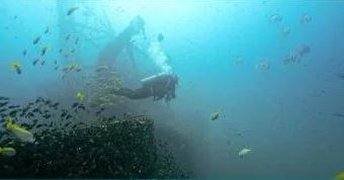
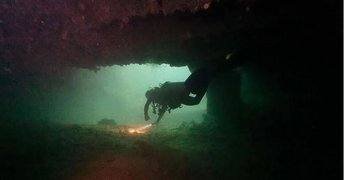
Coron Bay is globally recognised as one of the finest wreck diving destinations on Earth. We are closer to the wrecks than the dive operators from Coron and easily beat the flotilla of dive boats in the morning, allowing us to offer the best possible experience and often have these majestic sites virtually to ourselves!
The coron bay attack
On 21 September 1944, believing Manila was no longer safe, the Japanese Navy ordered a convoy of supply ships moved south to the relative security of Coron Bay. The convoy, including the Irako and the Olympia, Ekkai, Kogyo and Okikawa Marus, arrived the following day and anchored off Busuanga Island.
On the morning of 24 September, 96 Grumman Hellcat fighters and 24 Curtiss Helldiver dive-bombers took off from the carriers USS Intrepid, USS Cabot and USS Lexington, 340 miles away, the longest-range carrier strike launched up to that point in the war. With only around fifteen minutes over the target before they had to turn for home, the squadron found the Japanese fleet sheltering among the islands and sank most of it where it lay.
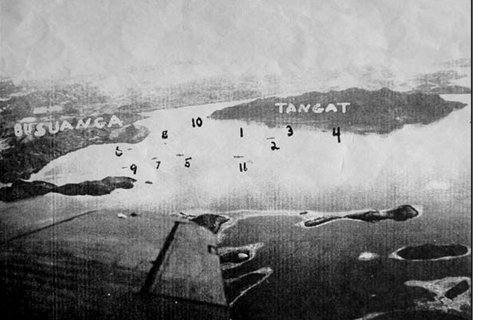
Those wrecks now lie on the seabed between Culion and Busuanga, and have become one of the best-known wreck diving areas in the world. These dives suit certified divers, and some sites call for Advanced Open Water or Wreck certification.
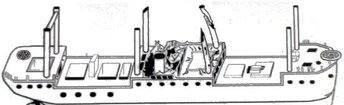
| Ship | Description |
|---|---|
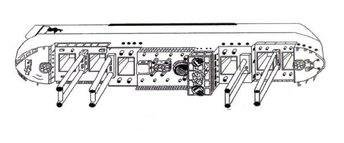
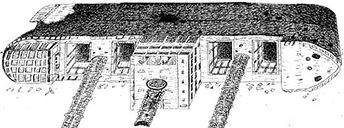
| Akitsushima | Seaplane tender (11°59′N 119°58′E), bombed and sunk with the loss of eighty-six crewmen. |
| Ekkai Maru (Morazan) | Steam-engine mixed cargo ship (12°01′N 119°58′E), bombed and sunk. Fifteen passengers and forty-four crewmen were killed. |
| Irako | Refrigerated supply ship (11°58′N 120°02′E), bombed and damaged. She was beached but later slid off and sank; casualties are unknown. Her captain, Miyamoto, survived the sinking. |
| Kogyo Maru | Auxiliary transport ship (12°00′N 120°00′E), bombed and sunk with the loss of thirty-five crewmen. |
| Kyokuzen Maru | Transport ship (12°01′N 119°58′E), bombed and sunk by United States Navy aircraft. |
| Okikawa Maru (Taiei Maru?) | TL-class oiler (12°01′N 119°58′E), bombed and disabled. Her burning forecastle was still visible until another air strike sank her on 9 October 1944. Three gunners and five crewmen were killed; the rest of the crew abandoned ship. |
| Olympia Maru | Aeronautical repair ship (12°01′N 119°58′E), bombed and sunk. Two passengers, three gunners and fourteen crewmen were killed. |
| Lusong Gunboat | Either a gunboat or submarine hunter (11.97′N 120.02′E), still little known. |
| Teru Kaze (East Tangat Wreck) | Submarine chaser and tug boat (11.97′N 120.07′E), in shallow water close to shore, which makes it a good option for less experienced divers. |
| Black Island Wreck | Civilian tanker. |
| Skeleton Wreck (Coron Island) | Barter ship, sunk in the 1950s. |
Diving Coron Island
The diving experiences to be had around Coron Island are unique, together with world class visibility, we don’t get over there often enough. There is a lot of open water between us and the island and the winds can change and the seas get rough, especially at Calis Point where the waves rebound off the sheer limestone cliffs and create very uncomfortable conditions. It’s a long way too, but absolutely worth it on a calm day.
Barracuda Lake
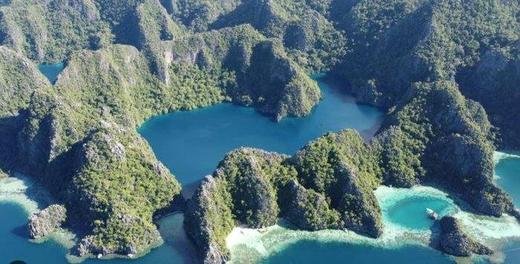
A mystical lake dive enclosed by dramatic limestone cliffs. It features an intense thermocline where the water shifts from fresh to salt water and heats up to over 38°C (100°F) as you descend.
Cathedral Cave
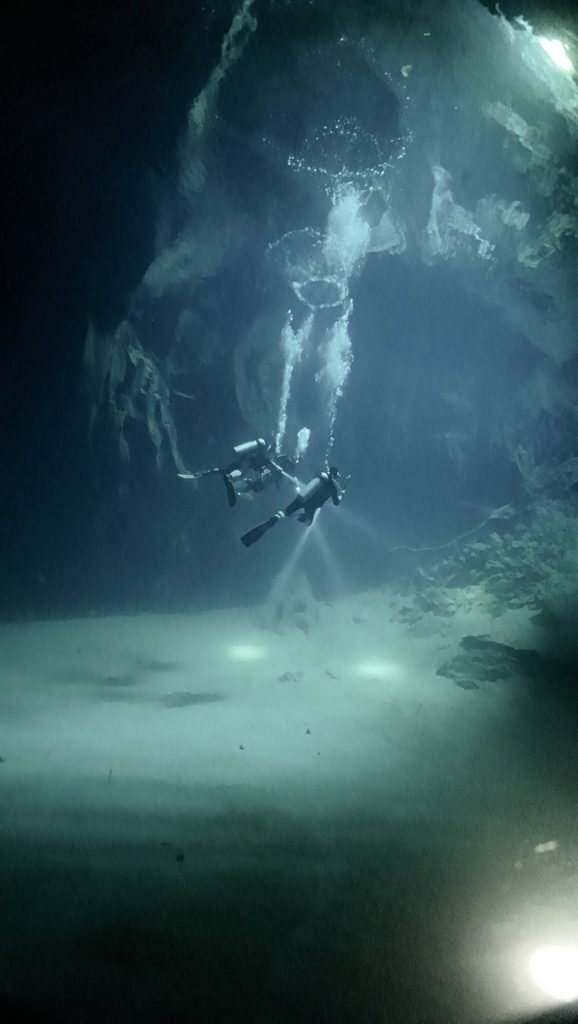
A stunning, semi-submerged cavern on the south end of Coron Island, entered through a narrow underwater tunnel at 6 metres that opens into a chamber around 12 metres deep. Daylight shafts through cracks in the rock light up stalactite formations inside, along with an air pocket you can surface into, and a fallen tree resting on a sandy mound where the ceiling once collapsed. Visibility is usually 20 to 30 metres on a calm day.
Because it’s an overhead environment, this dive is for Advanced Open Water divers with a Cavern Diver specialty, and only in calm weather. Larger waves create dangerous surge inside the narrow entrance tunnel.
Island hop & dive
Two of our most enjoyable activities in one go: a very special day out.
Boat charges make these trips more expensive, so prices are higher and it can be tough going for single travellers — but with friends, family, freedivers and snorkellers aboard to share the boat, it’s a great day out.
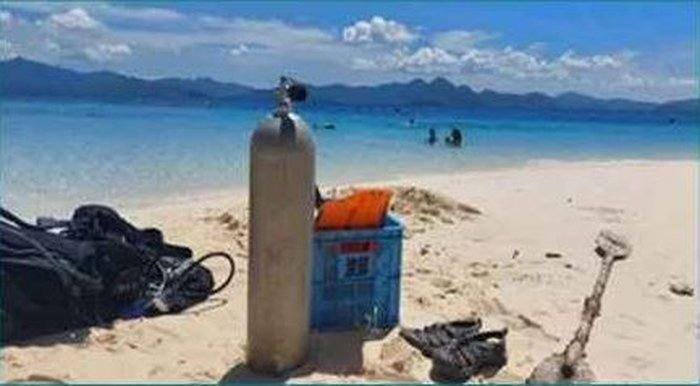
Our most popular island-hopping days head towards Pass Island to the north, or Malcapuya to the south. Both trips take in spectacular routes between the islands around Culion, and we can include several beautiful dives along the way.
Heading north, towards Pass Island
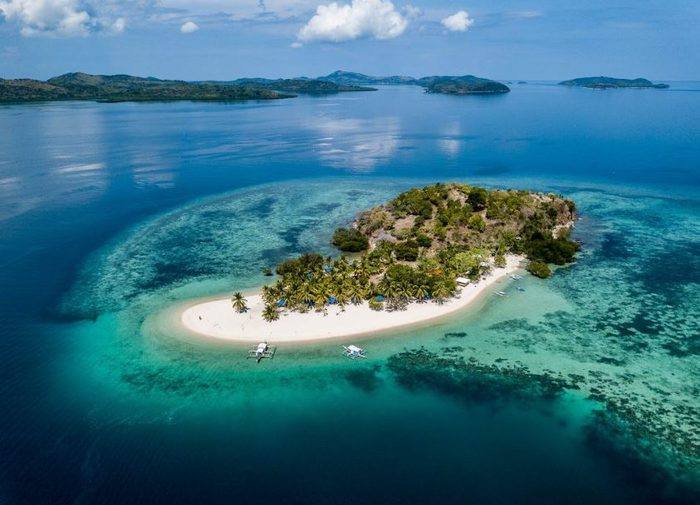
We can pass Lusong Gunboat and Coral Garden, both popular dive and snorkelling sites, or dive Lilly’s Reef, dive off the white sand beach, or explore the reefs at the back of the island for something a little more exclusive.
Heading south, towards Malcapuya
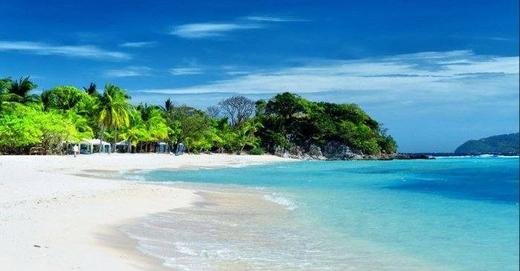
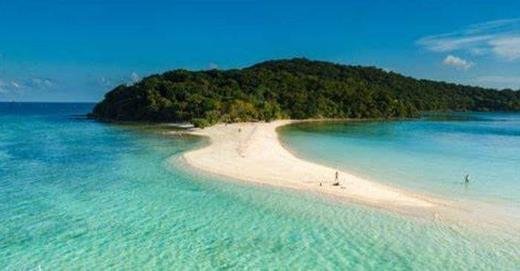
We can dive the sandbar and reef at Cheron Island (Cheron Reef), Ditaytayan Sandbar, and Malcapuya Corner, then spend time on the beach for lunch, or a well-earned afternoon cocktail.
Explore further
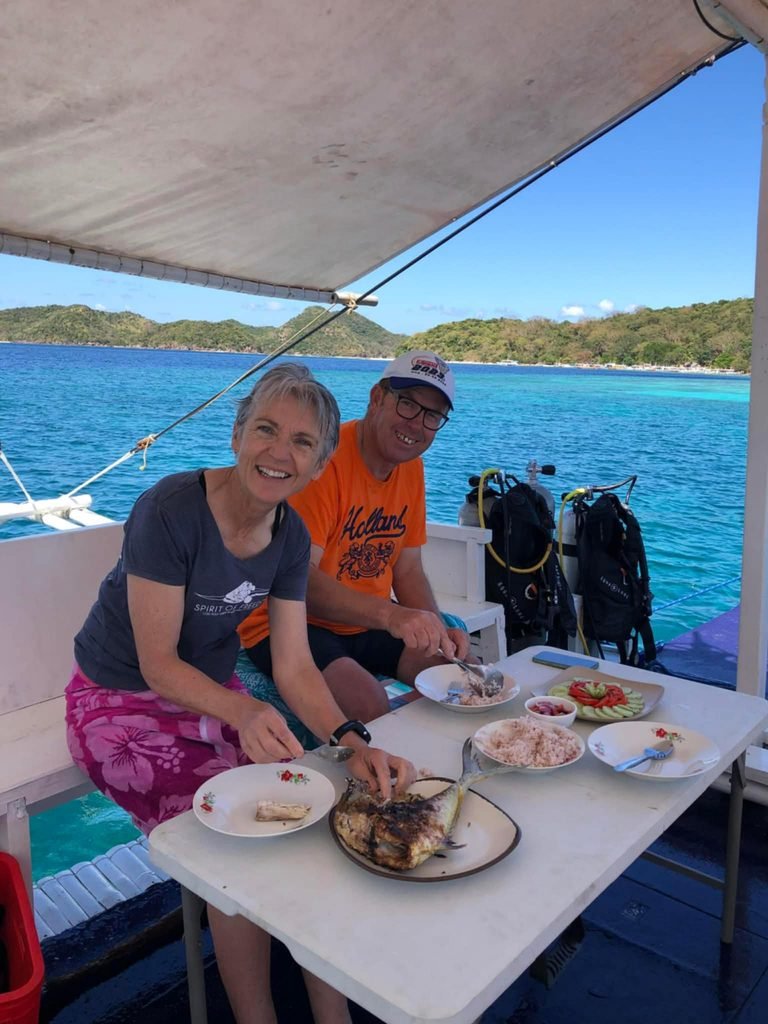
For the ultimate in exploration and adventure, we are able to camp out on the boat. There is enough deck space to sleep, we have a CR, a galley, and take an ice box full of fresh provisions. We will load up with tanks and dive our way down to find a secluded spot to moor up for the night. The crew will prepare dinner whilst we can enjoy a night dive. With an early start we can get to some awesome dive sites, with a good possibility of sharks at Tres Reyes Rocks. We gradually make our way home through the islands, picking out our next dive stops along the way! For advanced and experienced divers seeking raw adventure.
Dugong Data Collection and Reef Clean up dives
For something a bit different and close to our home and our hearts, we can take divers on coastal reef clean up dives. A very satisfying dive, surprisingly fun and of course great for our marine conservation. Amongst the sad litter of modern life we still see extraordinary sea creatures and discover really interesting reefs (and wrecks!) . Reef clean ups do test our dive skills too, especially buoyancy control and the use of lift bags.
There are Dugongs here! We rarely see them but they are spotted often during high season by snorkelers and local fishermen. They really are extraordinary creatures and they need our help.. We are in the very early stages of putting in place better controls to protect them, starting with collecting data, talking to the local community and sharing educational materials.
These exploratory dives would take us away from our usual dive spots as we cautiously explore the sea grass environments where they live. There is never any promise of seeing a dugong, unfortunately, but diving in different environments will surely introduce us to new experiences, and who knows!